Sutton Council rules for pavement flower displays in Wallington
Posted on 21/10/2026
If you run a shop, cafe, salon, or small business in Wallington, pavement flowers can make your frontage feel warm, lived-in, and worth stopping for. But there's a catch, of course. A display that looks charming to customers can become a nuisance if it blocks the footway, creates a trip hazard, or sits outside what Sutton Council will tolerate. This guide explains the Sutton Council rules for pavement flower displays in Wallington in plain English, so you can create something attractive without stepping into avoidable trouble.
You'll find out how these displays usually work, what the real risks are, how to plan them safely, and how to decide whether a pavement arrangement is actually the right move for your business. Truth be told, the best displays are the ones people barely notice in a practical sense - they just make the street look better and the shop feel cared for.
Table of Contents
- Why Sutton Council rules for pavement flower displays in Wallington Matters
- How Sutton Council rules for pavement flower displays in Wallington Works
- Key Benefits and Practical Advantages
- Who This Is For and When It Makes Sense
- Step-by-Step Guidance
- Expert Tips for Better Results
- Common Mistakes to Avoid
- Tools, Resources and Recommendations
- Law, Compliance, Standards, or Best Practice
- Options, Methods, or Comparison Table
- Case Study or Real-World Example
- Practical Checklist
- Conclusion
- Frequently Asked Questions
Why Sutton Council rules for pavement flower displays in Wallington Matters
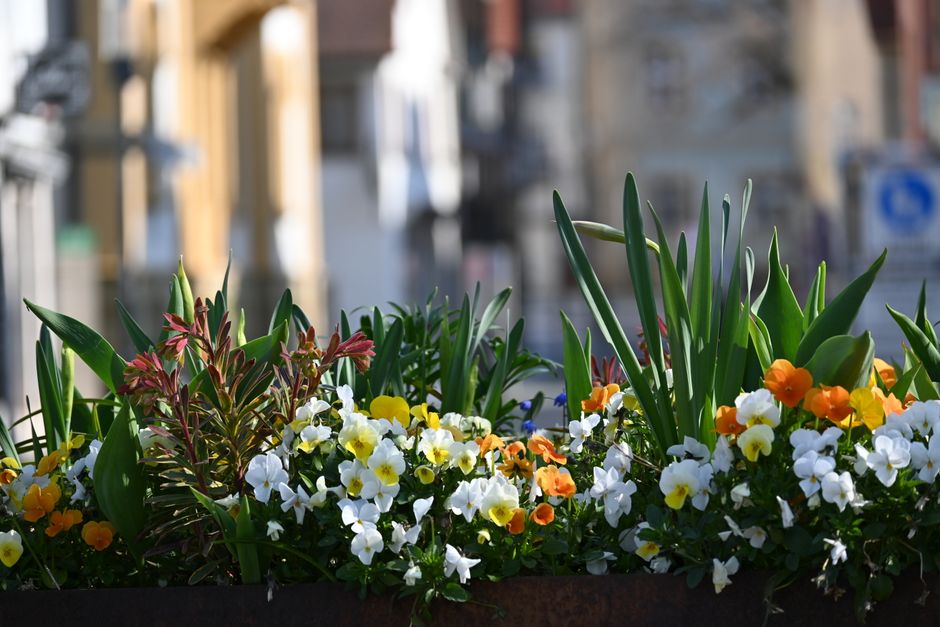
Wallington has a busy, everyday kind of street life. People are walking to the station, popping into local shops, collecting parcels, pushing prams, or wheeling mobility aids along pavements that are not always as wide as they ought to be. That is exactly why pavement flower displays need a bit of thought. A display can brighten the street, yes, but it also has to leave a clear and safe route for everyone using the footway.
The issue is not just "does it look nice?" It is whether the display respects public space. Sutton Council, like other local authorities, will be concerned with safety, accessibility, obstruction, cleanliness, and whether the display could cause annoyance or risk. If a planter sticks out too far, spills soil, hides a sign, or creates a bottleneck, it may be judged unsuitable even if the flowers themselves are beautiful.
And that's the part a lot of people miss. A pavement display is not decoration alone. It is part of the street environment. Done well, it feels like a natural extension of your premises. Done badly, it becomes a complaint waiting to happen. Nobody wants that. Not you, not your customers, and definitely not the wheelchair user trying to get past with a shopping bag and a cup of tea.
Practical takeaway: the safest displays are tidy, stable, low-maintenance, and clearly designed to leave enough unobstructed pavement for safe movement.
For businesses that already think carefully about presentation, this is the same mindset you'd use when choosing seasonal arrangements, delivery timing, or shopfront styling. If you want to keep things elegant and consistent, browsing ideas from the wider range of flower shops in Wallington can help you see how different displays are styled locally.
How Sutton Council rules for pavement flower displays in Wallington Works
In simple terms, the council approach is usually about balance. You may be able to place flowers or planters on the pavement, but only if they do not compromise public access and comply with any required permission or local conditions. The exact process can vary depending on the location, the width of the pavement, the type of display, and whether the arrangement is temporary, seasonal, or permanent.
Here's the straightforward version: if your flower display is on land that people need to walk across, you should assume it may need some form of approval or at least a careful check against local rules. In many cases, the key question is not whether flowers are allowed in principle, but whether the display is safe, well-managed, and proportionate.
Most councils look at practical factors such as:
- remaining clear walking space
- visibility for pedestrians and drivers
- trip and slip risks
- stability in wind or busy conditions
- access for pushchairs, wheelchairs, and mobility scooters
- general tidiness and maintenance
That means a small, neat display near a shopfront may be treated very differently from a wide line of large planters projecting into a narrow footway. A display that works on one street could be a problem on another just around the corner. Wallington has mixed pavement widths, so "it's fine elsewhere" is not much of a defence, really.
If you are putting flowers out regularly, it also helps to think about practical support services nearby. A business that sends flowers to customers or uses them as part of its branding may want reliable delivery and presentation options, such as flower delivery in Wallington or even same-day flower delivery in Wallington for quicker refreshes before weekends or busy trading days.
Key Benefits and Practical Advantages
People often focus on the compliance side of pavement flower displays, but there are genuine commercial and visual benefits too. When a display is handled properly, it can improve the feel of the whole frontage without needing expensive structural changes. That matters for independents especially, where every little detail shapes first impressions.
Here are the main advantages:
- Better curb appeal: A neat display gives passers-by a friendly reason to slow down.
- Seasonal flexibility: You can change colours and styles through the year without major investment.
- Local identity: Flowers can make a business feel part of Wallington rather than just another frontage on the road.
- Customer warmth: People tend to respond well to something cared for and human.
- Brand reinforcement: The display can echo your logo colours, shop style, or event themes.
There is a quieter benefit too. A well-kept display suggests discipline. That might sound slightly dramatic for a few planters, but customers do notice these things. If the outside is tidy, they tend to assume the inside will be too. Fair or not, that's how a lot of people judge a place in two seconds flat.
For example, a florist or gifting retailer may use seasonal stems and rotate colours to reflect demand. A small cafe may keep things simple with compact containers that do not interfere with foot traffic. And a business hosting events may prefer a more polished arrangement style that matches special occasions. If you are arranging gifts or themed floral pieces as part of that wider customer offer, pages like wedding flowers in Wallington, birthday flowers in Wallington, or funeral flowers in Wallington can give a sense of how floral presentation changes by purpose.
Who This Is For and When It Makes Sense
This topic is most relevant for shopkeepers, florists, cafes, salons, pubs, small hospitality venues, and anyone else in Wallington thinking of placing flowers on a pavement or forecourt edge. It also matters for landlords and property managers who want the frontage to look welcoming without causing council issues.
It makes sense to look at the rules if you are:
- planning a new pavement display
- refreshing an existing frontage
- responding to customer footfall changes
- preparing for a seasonal trading period
- trying to make a small unit stand out a bit more
- checking whether an arrangement needs permission or adjustment
You may also need this guidance if you are simply unsure what counts as "reasonable" placement. That is a fair question. Many business owners do not want to cause a fuss; they just want the front of the building to look pleasant. The issue is that pavements are shared space, so even small displays can become sensitive if they are left out every day.
If you are sourcing flowers for display rather than one-off gifts, browsing the broader selection of a local florist in Wallington or checking options for sending flowers in Wallington may help you plan a consistent style that works for both the pavement and your customers.
Step-by-Step Guidance
If you want to do this properly, don't start with the flowers. Start with the pavement. That is the bit people skip, and it is usually where the problems begin.
1. Measure the space properly
Look at the width of the usable footway, not just the bit that "looks wide enough". Include space for people walking side by side, prams, wheelchairs, and anyone carrying bags. Narrow pinch points matter a lot, especially near poles, bins, doorways, and busier stretches of pavement.
2. Decide whether the display is temporary or ongoing
A one-day floral feature for a special promotion is not the same as a permanent street-side arrangement. Councils tend to treat ongoing placements more cautiously because they create a repeated presence in public space. If your flowers will be out most days, you need to think like a long-term steward, not just a weekend decorator.
3. Choose stable containers
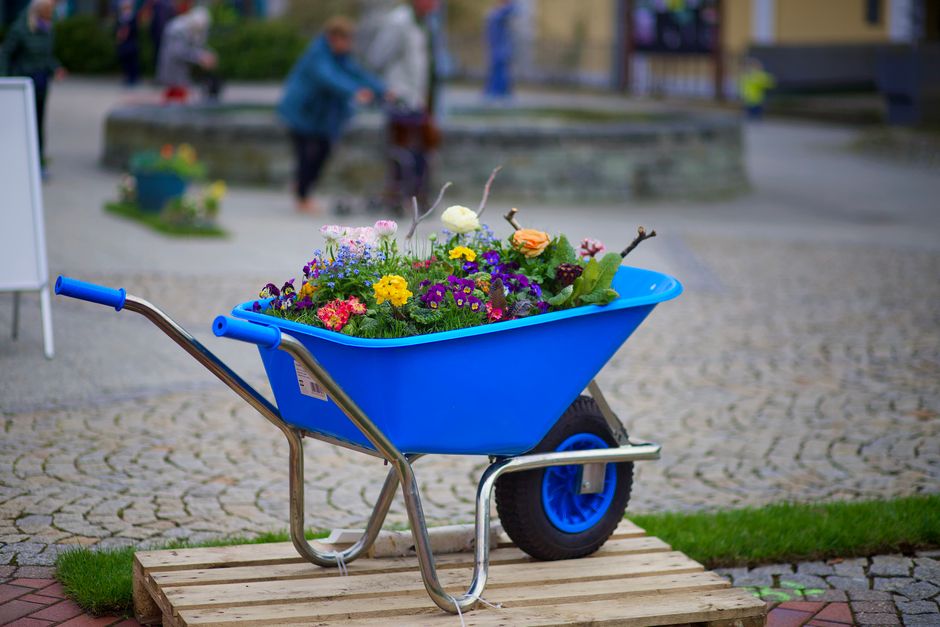
Use planters that are solid enough not to tip. Lightweight pots may look nice, but they can move in wind, be knocked by passing bags, or become messy if they dry out too fast. Heavier bases often work better, especially on busy footways.
4. Keep the layout simple
Less is usually better. A line of neat, well-spaced containers often looks more elegant than a crowded mass of mismatched displays. That slightly restrained approach also helps with access and visibility, which the council will care about.
5. Build in maintenance
Flowers need watering, deadheading, cleaning, and occasional replacement. If you cannot maintain the display properly, it will quickly stop looking inviting and start looking a bit sad, which is never the effect anyone is after. Early morning checks are best; the street is quieter and you can spot issues before customers arrive.
6. Check for hazard points
Before leaving the display in place, walk around it from a pedestrian's point of view. Could someone trip? Can a person with limited vision detect it easily? Is there enough contrast? Does it catch on coats or bags? It sounds slightly overcautious until the first complaint, then it feels very sensible indeed.
7. Keep records of what you set up
Take photos, note dimensions, and keep any permission or council communication in one place. If you later need to explain the arrangement, having a simple record saves time and avoids a lot of "we thought it was okay" guesswork.
For the actual flowers, many businesses prefer compact, sturdy arrangements that hold their shape well. If your display also feeds into retail sales or seasonal messaging, options such as cheap flowers in Wallington or best flower delivery in Wallington may help keep costs sensible while still looking polished.
Expert Tips for Better Results
After watching plenty of street-front displays over time, a few things stand out. The best ones are calm, tidy, and obviously intentional. They do not shout. They just work.
Tip 1: match the display to the pavement width. A narrow pavement needs slimmer containers and a tighter footprint. On broader stretches, you have more freedom, but don't let that tempt you into clutter.
Tip 2: use repeatable colours. Repetition creates structure. For example, white and green can look clean and formal; pinks and purples feel softer and more inviting; mixed colours work well for seasonal energy. If you want to explore colour-led styles, the shop categories for white flowers, pink flowers, purple flowers, and mixed colours can give you practical visual direction.
Tip 3: keep signage and flowers from fighting each other. A display should support your frontage, not crowd it. If the flowers hide the entrance or create visual noise around the business name, they are doing too much.
Tip 4: think about weather. Wind, rain, and summer heat all affect pavement displays. A container that looks perfect on a dry morning may be awkward by Friday afternoon. Small adjustments, like using liners or weighted bases, can make a real difference.
Tip 5: refresh before the street gets busy. Early checks are a small habit that pays off. You will notice drooping stems, spilled compost, or pots nudged out of line before customers do. That is the sort of unglamorous detail that keeps a frontage looking professional.
Tip 6: use flower care routines. Even a basic care plan helps. For watering, trimming, and keeping arrangements presentable, the site's flower care guidance is a useful reference point for everyday upkeep.
Common Mistakes to Avoid
The most common problems with pavement flower displays are usually not dramatic. They are small oversights that add up.
- Blocking the walking line: This is the big one. If people have to squeeze past, the display is too large.
- Using unstable pots: A wobbly planter looks harmless until it tips in a gust or gets clipped by a passing footfall.
- Ignoring drainage and mess: Water spilling onto the pavement can create slippery patches and muddy marks.
- Overcrowding the frontage: Too many objects make the area feel busy and harder to read.
- Forgetting maintenance: A display that fades, droops, or leaks soil can backfire quickly.
- Assuming "small" means "safe": Even a modest arrangement can obstruct if it is placed badly.
Another easy mistake is copying a neighbouring business without checking their permissions or context. Just because another frontage has a similar setup does not mean your pavement width, land ownership, or local conditions are the same. It's a bit like wearing someone else's shoes; sometimes they fit, often they don't.
And do not forget customer comfort. A display that looks picturesque on Instagram but causes awkward passing space in real life is not a win. The street is for people first.
Tools, Resources and Recommendations
You do not need a huge toolkit to manage pavement flowers well. What you do need is a practical setup that keeps the display tidy and easy to maintain.
- Measuring tape: Essential for checking width and spacing.
- Stable planters: Choose containers that will not slide or tip too easily.
- Watering can or hose access: Watering sounds basic, but it is the difference between "fresh" and "forgotten".
- Soft brush or cloth: Handy for cleaning soil marks and keeping the base neat.
- Plant liners: Useful for protecting containers and reducing spill risk.
- Simple maintenance log: Even a small notebook or phone note is enough.
If you are buying flowers regularly, it also helps to think about reliability and service options. A business that values presentation may prefer delivery schedules that match trading patterns, whether that means same-day support, next-day restocking, or advance planning for busy periods. Pages such as next-day flower delivery in Wallington and guarantees can help shape your expectations around fulfilment and consistency.
For businesses that need recurring floral orders, a local account setup can also make life easier. The corporate accounts page is worth a look if you are managing regular purchases for a shop, venue, or office frontage.
Law, Compliance, Standards, or Best Practice
Here we need to be careful and practical. Pavement flower displays can overlap with local highway rules, licensing considerations, property boundaries, and general public-safety duties. The exact position depends on your location and the nature of the display, so it is wise not to assume that because flowers seem harmless, no rules apply.
The main compliance themes are usually:
- Public access: The pavement must remain usable for pedestrians.
- Health and safety: Your display should not introduce avoidable hazards.
- Visibility: Displays should not obscure sight lines or create blind spots.
- Cleanliness: Soil, water, leaves, and debris should be controlled.
- Permission: Some placements may require consent or a formal check.
Best practice in the UK usually means treating the pavement as shared space, not display space you can claim as your own. If a display depends on the goodwill of passers-by, it is too fragile anyway. A good arrangement is one that would still feel sensible if someone unfamiliar with your business walked by on a rainy Thursday at 8:15 in the morning.
If you are uncertain, it is sensible to seek local clarification before installing anything permanent. That is not being fussy; it is just good business. A short pause before placing a planter is far cheaper than removing it after a complaint. A bit boring, maybe. But better boring than banned.
Options, Methods, or Comparison Table
There is more than one way to use flowers outside a premises. The right method depends on space, footfall, maintenance capacity, and how formal you want the frontage to look.
| Option | Best for | Pros | Cons |
|---|---|---|---|
| Small single planters | Narrow pavements and simple shopfronts | Neat, low-commitment, easy to move | Can look sparse if under-designed |
| Grouped floral displays | Wider frontage and seasonal promotions | More visual impact, flexible styling | Needs careful spacing and maintenance |
| Window-adjacent pavement accents | Businesses wanting subtle frontage detail | Less intrusive, often easier to manage | May have less street-level visibility |
| Rotating seasonal arrangements | Retailers with changing campaigns | Fresh, relevant, adaptable | Requires regular restocking |
In practice, many local businesses do best with the second or fourth option, but only if the pavement is generous enough. If space is tight, less is more. Always. Well, almost always. There is always that one exception, but it usually belongs to someone with a much wider forecourt than yours.
Case Study or Real-World Example
Imagine a small independent florist-cafe hybrid in Wallington with a moderate frontage and a steady stream of lunchtime visitors. The owner wants to place three flower displays outside to make the entrance feel friendly and to showcase the shop's style. Nice idea. But the pavement narrows near the doorway and there is a lamp post a short distance along.
Instead of placing three large pots in a line, the owner measures the available width, checks the turning space near the entrance, and decides on two heavier planters with a lower profile. The flowers are kept in a colour palette that matches the brand, with one seasonal accent added for interest. Watering happens early in the morning, and the planters are brushed down each evening.
The result is simple but effective. The frontage looks intentional, pedestrians have a clearer route, and the display feels part of the business rather than an obstacle in front of it. Customers comment on it. Staff stop worrying about whether someone will trip. And the whole thing, honestly, becomes one of those small details that makes the place feel better run.
That is the ideal outcome. Not flashy. Just good.
Practical Checklist
Use this checklist before setting out a pavement flower display in Wallington.
- Measure the footway and confirm there is enough clear walking space.
- Check whether the display is temporary, seasonal, or ongoing.
- Choose stable containers that will not tip easily.
- Keep the layout simple and uncluttered.
- Make sure flowers and pots do not block entrances or sight lines.
- Plan for watering, cleaning, and deadheading.
- Check for spills, soil loss, and slippery areas.
- Review the display from a pedestrian's point of view.
- Keep records of the arrangement and any local permissions or advice.
- Refresh the display before busy trading periods.
If you can tick off all ten, you are already in a much better place than most people who just "put some flowers out and hope for the best". Hope is lovely. But measurements are better.
Conclusion
The Sutton Council rules for pavement flower displays in Wallington come down to a simple principle: make the street better without making it harder to use. If your display is tidy, stable, accessible, and thoughtfully placed, it has a much better chance of being welcomed rather than questioned.
For local businesses, that balance is worth getting right. A good pavement display can lift a frontage, support your brand, and make the day feel a little brighter for people walking past. The key is to treat the pavement as shared ground and plan accordingly. Measure first, style second. That order matters.
If you are refining your frontage, choosing seasonal arrangements, or planning a more polished business display, start with practical needs and build from there. A few careful decisions now can save a lot of hassle later - and leave you with something genuinely lovely to look at on a grey Wallington morning.
Get a free quote today and see how much you can save.
Frequently Asked Questions
Do I need permission for pavement flower displays in Wallington?
In many cases, you should assume some form of permission or at least local approval may be needed, especially if the display sits on public pavement space. The exact requirement depends on placement, size, and whether the display affects access or safety.
How wide should the pavement be for a flower display?
There is no universal width that fits every situation. What matters is whether pedestrians, wheelchair users, and pushchairs can pass safely and comfortably. If the display narrows the usable route too much, it is likely to be a problem.
Can I keep flowers outside my shop all year round?
Possibly, but long-term displays usually need more care and may attract more scrutiny than temporary seasonal arrangements. Regular upkeep, safety, and access are the key issues.
What type of planter is best for pavement use?
Heavier, stable planters are usually the safest choice. They are less likely to tip, shift, or spill soil onto the pavement. Low-profile containers often work better than tall, narrow ones.
Are hanging baskets better than floor planters?
They can be, if the pavement is narrow and wall mounting is practical. That said, hanging baskets still need safe fixing and maintenance. They also may not suit every frontage style.
What happens if my display causes an obstruction?
If a display blocks the pavement or creates a hazard, you may be asked to move it, alter it, or remove it. In some cases, repeated issues could lead to formal action. Better to adjust early than wait for a complaint.
Do flowers count as street furniture?
They can be treated that way in practice if they are placed in public space and remain there regularly. That is why their location, stability, and impact on access matter so much.
How often should pavement flowers be maintained?
Ideally, they should be checked daily if they are part of a public-facing business frontage. Watering, deadheading, tidying, and checking for spillages should happen regularly, not only when something looks obviously wrong.
Can I use seasonal decorations with my flower display?
Yes, as long as the combined setup does not become cluttered or unsafe. Seasonal touches can work well, but they should not reduce visibility or create more obstruction than the flowers themselves.
What is the safest way to start if I'm unsure?
Start small. Measure the pavement, choose one or two stable planters, and keep the design minimal. That approach is easier to manage and easier to adjust if needed.
Are there different expectations for a florist compared with a cafe or salon?
Usually the core expectations are the same: safety, access, and cleanliness. A florist may naturally want a more expressive display, while a cafe or salon may prefer something subtler. The type of business matters less than how responsibly the display is managed.
Where can I find flowers that suit a neat frontage display?
Look for arrangements that hold shape well and do not shed too easily. Categories such as best sellers, flower garland, and flowers in a vase may help if you want presentation-ready options with a polished finish.